01
外城堡
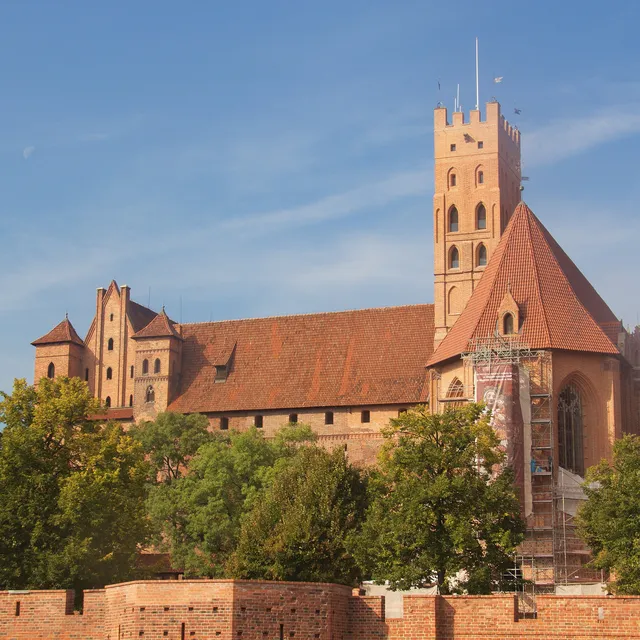
低城堡 · 前堡
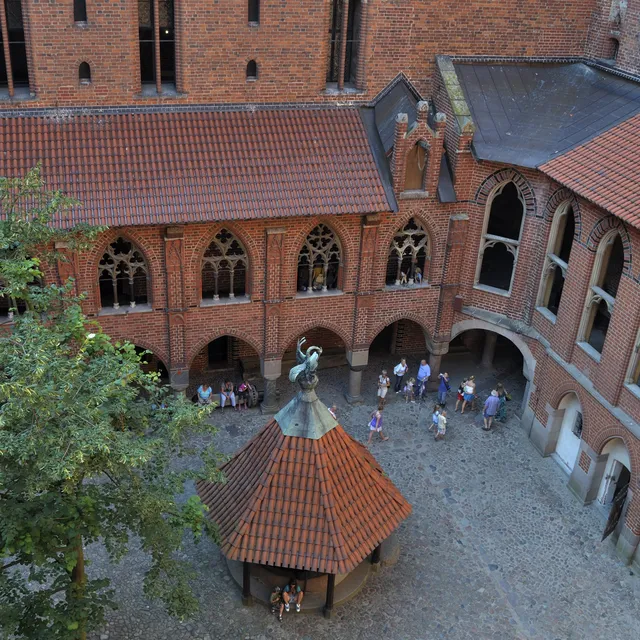
城墙内的运转之城:作坊、军械库、马厩、粮仓、酿酒厂、 infirmary 以及供世俗仆从使用的礼拜堂。这里是城堡的“动力心脏”,为骑士们源源不断地供应武器、食物、啤酒,以及继续扩建所需的砖石。
- 粮仓与作坊
- 军械库
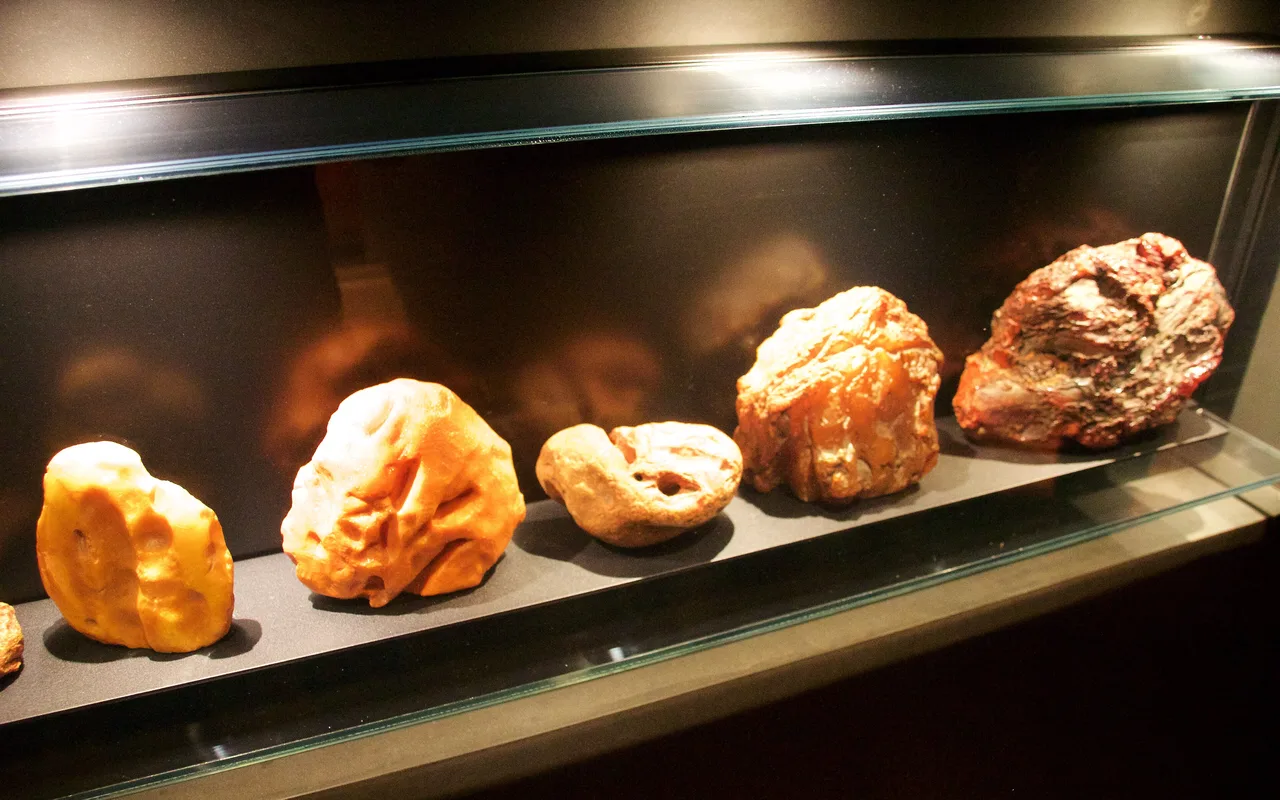
- 中城堡内的琥珀藏品,尽在更深处

波兰马尔堡 · 联合国教科文组织世界遗产
全球占地面积最大的城堡:诺加特河畔一墙之内三座要塞,大团长宫雄踞其心。
入场采用限流30分钟时段制。夏季周末,入口排队可达30至45分钟;您的时段可径直越过队伍。
分时入场 · 历史城堡路线
马尔堡城堡每30分钟一个入场时段,并限制每个时段的人数。请在此为每位游客选择票价;下一步您将从博物馆的实时日历中挑选日期和时段。
18岁以上·城堡内部全览
€36
实时余位
您的门票仅在票面印制的30分钟时段内有效。请在该时段内到达,绕过售票处直接前往扫码闸机,馆内参观路线可自行安排节奏。
规划行程
分时入场定下节奏。以下是从格但斯克出发的一日通常行程。
走进城墙之内
所有房价均涵盖整个内部区域。这些正是人们慕名而来的厅室。
已验证参观
点评来自我们自己的客人,在参观后通过邮件收集,并以原文语言发布。
Es war sehr beeindruckend! Insbesondere die Restaurierung nach dem 2. Weltkrieg. Muß für die Nachwelt unbedingt erhalten bleiben.
Ich hatte das erste Mal Audio gebucht und das hat mir sehr gefallen. Überhaupt, die ganze Anlage ist sehr sehenswert.
非常有趣的游览,参观安排得井井有条。
令人愉悦
城堡
马尔堡并非单一建筑,而是三座堡垒层层相套,各自拥有独立的护城河与城门。游览路线将带你由外至内,步步深入。
低城堡 · 前堡
城墙内的运转之城:作坊、军械库、马厩、粮仓、酿酒厂、 infirmary 以及供世俗仆从使用的礼拜堂。这里是城堡的“动力心脏”,为骑士们源源不断地供应武器、食物、啤酒,以及继续扩建所需的砖石。
Mittelburg · Zamek Średni
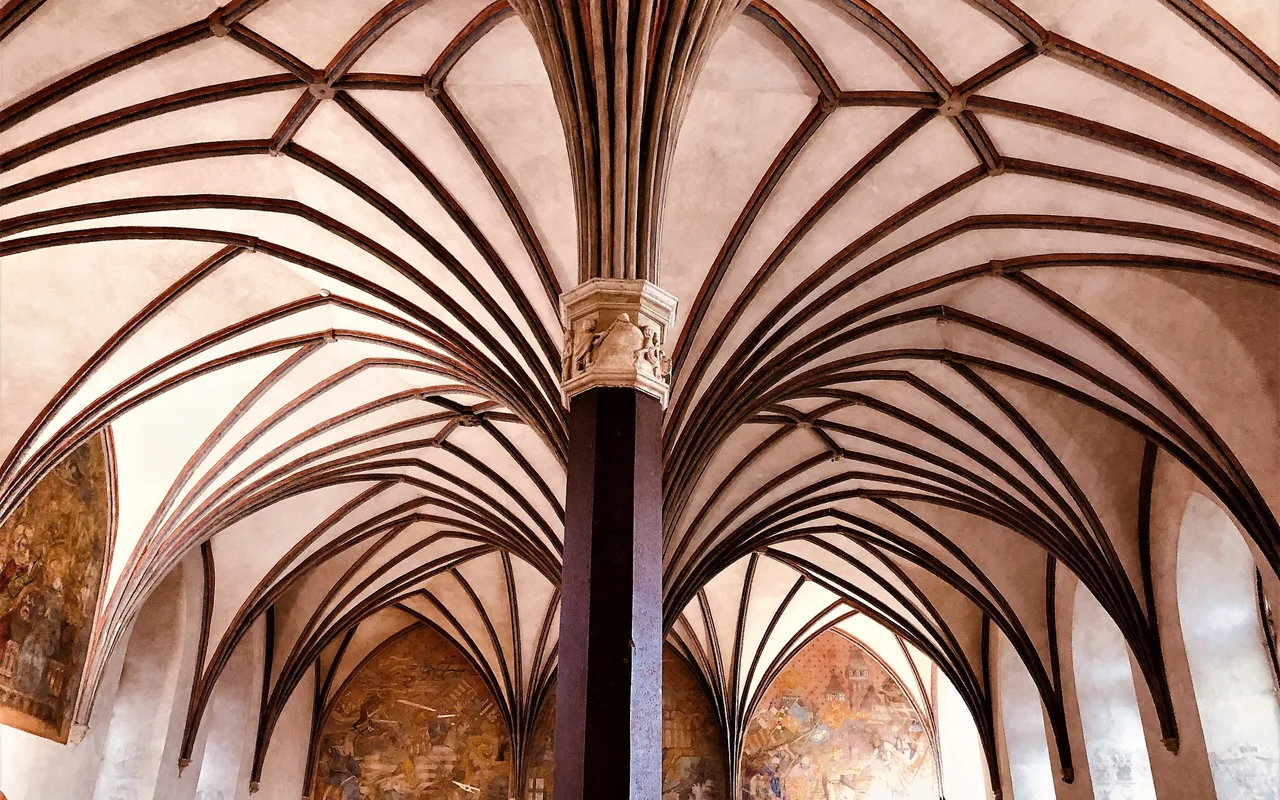
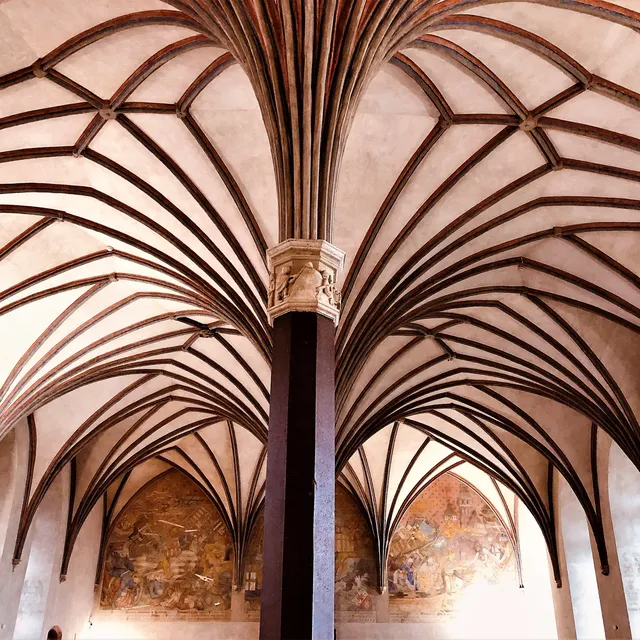
建于十四世纪,为承载修道院已无法容纳的政治生活而建。其核心是大团长宫,堪称中世纪北方最大胆的世俗建筑之一;大餐厅的穹顶自一根花岗岩柱如石掌般扇形展开,令人叹为观止。
Hochburg · Zamek Wysoki
始建于1274年的原始修道院:四翼环绕一座带中央水井的拱廊庭院,仿照熙笃会修道院格局,并按军事标准加固。设有宿舍、议事厅、宝库、大厨房,东翼则是圣玛丽教堂。
规划行程
规划行程
开放时间每年调整三次,晚间演出仅限夏季。出行当天上午,请前往博物馆官网查看当日开放安排。
每日09:00至20:00开放,最后入场时间为18:00
七月和八月的周六是一年中最繁忙的日子;建议在开门时或傍晚时分抵达。闭园后,中城堡城墙会上演夜间声光秀。
每日10:00至18:00
石板路上气候温和,景点也明显更清静。最适合悠闲漫步的月份。
周二至周日 10:00 至 15:00 · 周一闭馆
最安静、最有氛围,且无暖气:请带好厚外套。1月1日、11月1日及12月24日至25日闭馆。
历史
城堡的故事,按时代逐一呈现,由我们的团队撰写,并经博物馆与UNESCO审核。
Malbork Castle (Zamek w Malborku) 是一座13世纪的砖砌堡垒,位于波兰北部,由条顿骑士团于1274年在诺加特河东岸建造。最初以圣母玛利亚命名为Marienburg,1309年起成为骑士团总部,按占地面积计为世界最大砖砌城堡——约21公顷的防御工事横跨三个同心区域(下堡、中堡和上堡)。如今作为国营的Malbork Castle(马尔堡城堡博物馆)运营,每年吸引约60万游客,并于1997年被联合国教科文组织列入名录。马尔堡全年开放,按季节调整时间,冬季缩短开放时间,淡季周一闭馆。
条顿骑士团是谁,他们为什么建造马尔堡?
条顿骑士团成立于1190年第三次十字军东征期间的阿卡围城战,最初是一个照顾圣地德国朝圣者和十字军的医院兄弟会。十年之内,它按照圣殿骑士团和医院骑士团的模式被重新改组为军事修会,立誓守贫、守贞和服从,同时对骑士团的敌人发动圣战。当黎凡特的十字军国家开始崩溃时,骑士团向北寻找新的使命,1226年波兰马佐夫舍公爵康拉德邀请骑士团帮助镇压其北部边境的异教普鲁士部落。这一邀请在接下来的两个世纪里重塑了波罗的海南部地区。
从最初的木质要塞开始,骑士团迅速转向砖石建筑。在普鲁士平坦的冰川地貌中,石头稀缺,但粘土丰富,骑士团以前所未有的规模工业化制砖。到13世纪末,沿着维斯瓦河和波罗的海海岸,一系列Ordensburgen(骑士团城堡)拔地而起:托伦、海乌姆诺、克维曾、埃尔布隆格、格涅夫,以及在诺加特河口新建的修道院,骑士团将其命名为Marienburg(圣玛丽堡垒)。马尔堡的建造始于1274年左右,最初是一个相对简朴的修道院,但其战略位置——位于可通航的河流上,靠近波罗的海、通往立陶宛的贸易路线以及维斯瓦河三角洲的粮食腹地——很快使其成为建造更大城堡的不二之选。
决定性时刻发生在1309年。大团长Siegfried von Feuchtwangen在威尼斯(阿卡陷落后骑士团总部迁至此处)面临政治压力,将大团长驻地迁至Marienburg。一夜之间,一个边陲修道院变成了一个修道院国家的首都,这个国家沿着波罗的海南岸从波美拉尼亚延伸到爱沙尼亚。随后八十年间的建筑工程——中城堡、大团长宫、圣玛丽教堂的扩建、外堡防御工事——使马尔堡成为基督教世界最大的哥特式堡垒,也是中世纪欧洲最不寻常政体的行政大脑:一个由独身战士僧侣统治的国家,资金来自琥珀贸易和波罗的海粮食贸易,理论上只对教皇负责。
高城堡、中城堡和外城堡分别是什么,它们如何组合在一起?
马尔堡并非单一建筑,而是由三个同心区域层层嵌套的堡垒,每个区域随骑士团需求增长而增建。最内层为高堡(Hochburg, Zamek Wysoki),即约1274年始建的原始修道院。这是一座四翼回廊建筑,环绕着带中央水井的小型拱廊庭院,仿照西多会修道院设计,但按修道院军事标准加固。内部设有骑士兄弟的宿舍和议事厅、存放骑士团圣物和特许状的宝库、带有巨大开放式壁炉的厨房,东侧则是圣玛丽大教堂——整个骑士团国的精神核心。
向外步入中堡(Mittelburg, Zamek Średni),主要建于14世纪,用于容纳高堡无法承载的政治功能。其核心是西翼的大团长宫,堪称中世纪晚期北欧最具建筑冒险精神的世俗建筑之一——自成一体的居所,拥有独立小教堂、私人套房,以及著名的宴会大厅,其拱形天花板从一根纤细的花岗岩柱如石棕榈般扇形展开。庭院对面是骑士宴会厅和接待大厅套间,用于接待每年冬季从欧洲各地北上、随骑士团突袭异教立陶宛的十字军贵族。
中堡之外,外堡(Vorburg, Zamek Niski)以宽阔的外院环绕整个建筑群,设有工坊、军械库、马厩、粮仓、酿酒厂、医院和平信徒小教堂。这是城墙内的工作城镇——为骑士提供武器、食物、啤酒和砖石以继续扩建的引擎室。三个区域由各自的护城河、门楼和吊桥分隔,因此攻破外环的入侵者仍面临内部两座各自可独立防御的堡垒。这种分层逻辑使得1410年波兰守军即使在野战惨败后,仍能坚守内堡抵御长期围城。
1410年格伦瓦尔德战役后,马尔堡发生了什么?
1410年7月15日,条顿骑士团在格伦瓦尔德(坦能堡)与波兰王国和立陶宛大公国联军交战,野战中被彻底击溃。大团长乌尔里希·冯·容金根及大部分高级指挥官和骑士团精锐阵亡。通往马尔堡的道路洞开,数周内,国王瓦迪斯瓦夫二世·雅盖沃的胜利大军已抵达城堡墙下。随后发生的是中世纪晚期北欧最非凡的围城战之一——也是对城堡设计理念的无声印证。
城墙内,未参加格伦瓦尔德战役的地区指挥官海因里希·冯·普劳恩率领一支小规模守军拒绝投降。普劳恩亲自烧毁了马尔堡外城以断绝围城者的庇护,将平民和补给撤入内环,并固守待援。波立联军在城堡前扎营近两个月。他们缺乏能击穿砖墙的重型攻城火炮,本土庄稼无人收割,雇佣兵合同即将到期,营中疾病蔓延。9月,雅盖沃解除围城并撤退。普劳恩于次年11月当选大团长。
骑士团幸存但元气大伤。1411年第一次托伦和约强加巨额战争赔款,十字军东征的道德权威永久受损,普鲁士各大城市——格但斯克、托伦、埃尔布隆格——开始对骑士团的税收要求感到不满。此后半个世纪,局势持续恶化:战争失利、城堡抵押、雇佣兵叛变,最终爆发与波兰的十三年战争(1454-1466)。1457年,骑士团未获报酬的波西米亚雇佣兵将马尔堡卖给波兰国王卡西米尔四世·雅盖隆契克,同年6月国王入主城堡。大团长驻地东迁至柯尼斯堡,马尔堡开始了长达三个半世纪作为波兰皇家行宫和行政中心的历程——这一转变至今仍可在大团长宫的装饰层次中解读。
为什么马尔堡看起来既古老又像新修复的?
今天在马尔堡所见几乎全部是两次大规模重建的产物。18世纪末至19世纪初,城堡在普鲁士统治下逐渐荒废——中堡部分区域一度被用作兵营和纺织厂——直到19世纪德国浪漫民族主义运动重新发现马尔堡,将其视为中世纪秩序与身份的象征。自1880年代起,建筑师康拉德·施泰因布雷希特领导了长达数十年的修复运动,消除最破坏性的改造,重建缺失的屋顶和山墙,并将内部恢复至中世纪晚期风貌。到1920年代,马尔堡再次成为一座完整的哥特式纪念碑,游客络绎不绝,照片广为流传。
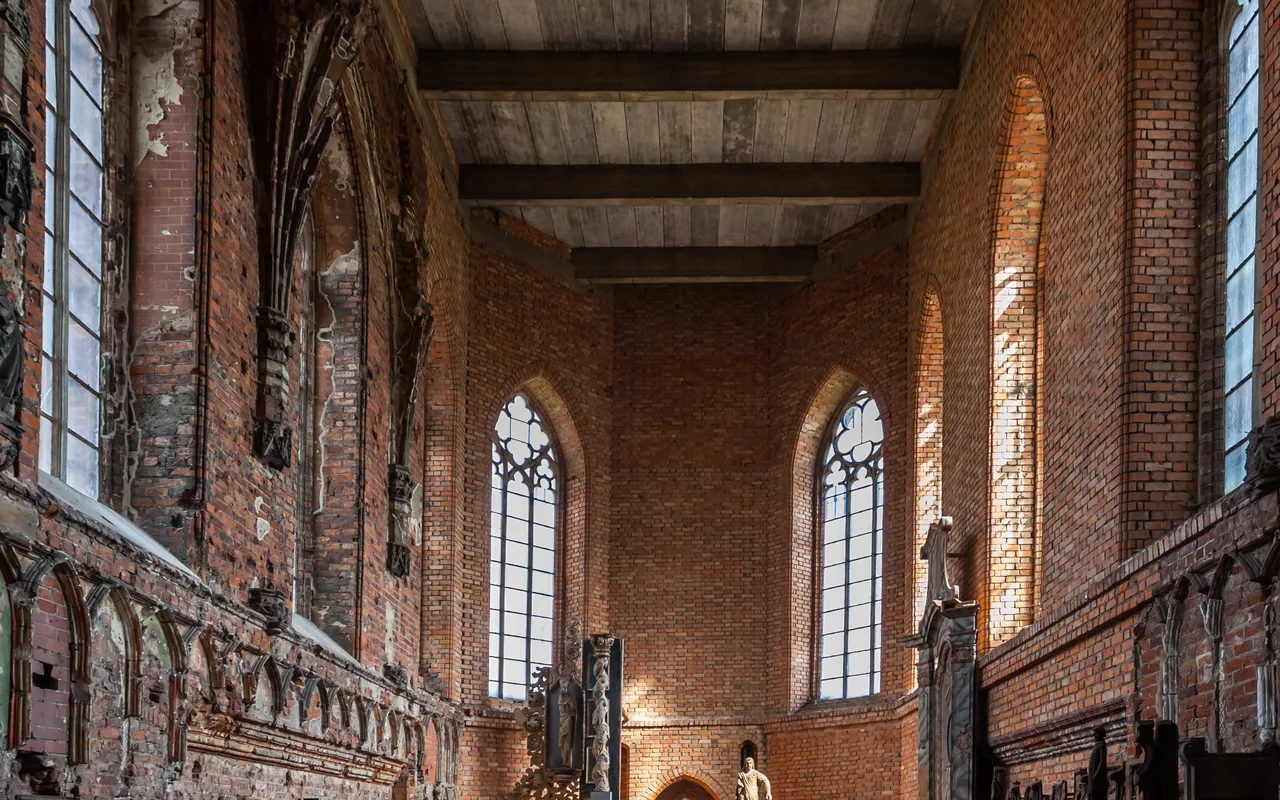
随后是1945年。二战最后几个月,红军抵达诺加特河,在1月至3月的激战中,城堡遭到系统性炮击。屋顶坍塌,拱顶陷落,圣玛丽大教堂沦为无顶空壳,大团长宫失去上层,整个建筑群约一半体积被摧毁。战后,新波兰边界将马尔堡划入波兰境内,德国居民被驱逐,城堡沦为巨大废墟,所在城镇也几乎被夷为平地。
重建始于1950年,在1960年代加速推进,此后从未真正停止。波兰修复专家秉持审慎理念:凡有原始图纸、照片和幸存残片可忠实复原之处便予以重建,但保留清晰的接缝,让游客能分辨中世纪原貌与现代修复。拱顶的大餐厅分阶段重新开放。圣玛利亚教堂得以重建,其巨大的圣母外部雕像在历经数十年工作后,于2014年至2016年间以马赛克工艺重现。联合国教科文组织于1997年将城堡列入世界遗产名录(编号847),正是因为战后重建达到了极高的保护标准——这是少数几座几乎完全被毁的纪念物凭借其重建质量而获准列入的案例。
琥珀收藏与圣玛利亚教堂是什么?
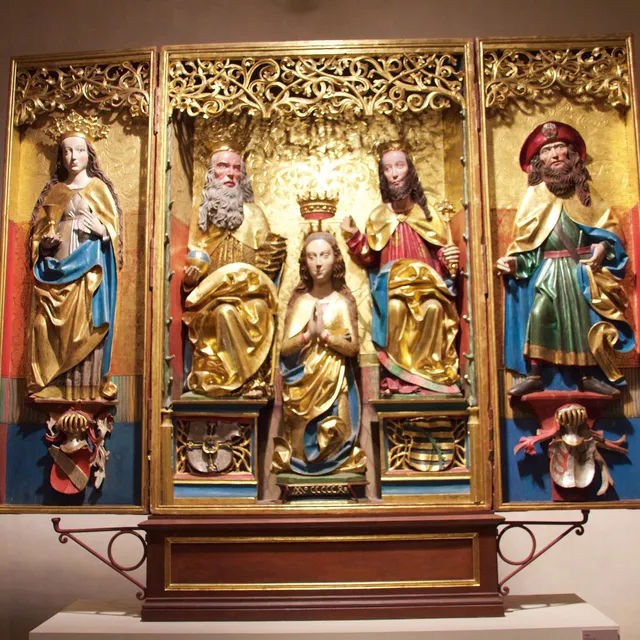
除建筑本身外,马尔堡收藏着欧洲最重要的琥珀藏品之一——一个常设展览,追溯这种所谓的波罗的海黄金,从五千万年前松林中的史前树脂,到巴洛克圣物箱、哈布斯堡宫廷橱柜和现代设计师珠宝。该收藏陈列于中城堡的专用套间内,按地质学、考古学和艺术学组织:内含昆虫的天然琥珀块、从维斯瓦泻湖打捞的新石器时代饰品、沿琥珀之路南行至亚得里亚海的罗马贸易品,以及琥珀经雕刻、层叠并与银、象牙和乌木结合的中晚期及巴洛克杰作。此收藏在马尔堡的存在并非偶然:条顿骑士团从13世纪起便对波罗的海琥珀实行严格垄断,琥珀财富资助了你此刻所站的城堡。
高城堡内的圣玛利亚教堂是整个建筑群的精神核心,也是城堡中最具雄心的内部空间。它建于14世纪并历经重建,曾作为骑士兄弟的修道院教堂、新大团长的加冕礼拜堂以及骑士团高级军官的安葬地。教堂于1945年几乎完全被毁。其巨大的圣母圣婴外部雕像——原为14世纪马赛克,河对岸可见——在炮击中遗失,仅于2014年至2016年间通过结合历史照片、回收碎片和现代马赛克技术的艰苦修复才得以重建。内部自2016年起分阶段重新开放,如今高城堡的游览路线带领游客经过重建的中殿、其下的圣安妮礼拜堂以及重建的金门——骑士团进入教堂的礼仪入口。
规划行程
实用解答,来自每日预订这座城堡的专家团队。
建议选择5月下旬、6月或9月初的平日前往,并在开门时间或下午晚些时候抵达。7月和8月的周六是一年中最繁忙的日子——波兰家庭游客、格但斯克一日游游客和国际旅游团会在同一上午时段汇聚,正门排队可能超过30分钟。开门时到达,你可以在旅行团之前进入上堡;下午晚些时候到达,则可以在骑士餐厅里看着他们离开。平季(4–5月、9–10月)天气温和,游客明显较少。冬季(12–2月)最为安静且富有氛围,但城堡没有暖气——室内温度依然寒冷。请在当地查询您访问期间是否有夜间灯光秀或特别活动;如果有,这些节目通常在白天人群散去后开始,值得留在马尔堡镇上吃晚餐。
标准路线计划3到4小时,如果选择全程路线或想在琥珀展览中流连,则需要5到6小时。马尔堡是世界上最大的砖砌城堡之一——占地数公顷,场地广阔——语音导览的自助循环路线确实需要走不少路。仅标准路线就需要你爬楼梯、走过鹅卵石庭院,穿越上堡、中堡和下堡区域;游客常常低估这一点。如果你加上夜间声光秀(季节性提供),请查看当前时间表,并在白天参观和演出之间留出额外时间和休息。许多国际游客在10:00到达,13:00左右在城堡内或附近的咖啡馆用餐,16:00前离开返回格但斯克——这是标准路线带休息的可行节奏。少于3小时意味着你会匆匆经过那些最值得驻足的房间。
Malbork 在正门出售定时入场门票,并限制每个时段入场人数。夏季旺季周六,当日购票排队可能很长,个别时段可能在当天早些时候售罄——使现场购票游客只能等待较晚入场,或在最繁忙的日子被拒之门外。提前预订的免排队门票可锁定具体入场时段,让您绕过售票处排队,直接前往闸机扫码入场。行程紧凑的 Gdańsk 游客、不耐排队的亲子家庭,以及7月中旬至8月底到访的游客最能受益。
马尔堡通常提供不同时长的自助导览路线,涵盖高堡、大团长宫和中堡亮点,扩展选项可能包括额外厅室和展览(如琥珀收藏)。游客应向博物馆查询当前路线选项及预估时间。学生(持有效证件)、儿童和老年人通常享受优惠票价。可能提供家庭套票。博物馆可能推出季节性晚间声光秀,以砖墙为投影面;此类演出通常需单独购票,与日间参观分开。预订时请查询当前可用性和演出详情。礼宾预订价格包含我们的服务费,显示总价,不显示运营商原始票价,以便客户看到清晰总价而非加价明细。
Malbork 全年开放,实行三档季节性时间表。旺季(通常为5月至9月)城堡延长每日开放时间,并提供晚间入场。平季(3月至4月及10月)实行缩短的开放时间。冬季(11月至2月)城堡开放时间大幅缩短,部分工作日可能闭馆。城堡在部分公共假日闭馆,包括元旦、复活节星期日和圣诞节;请查看官方网站了解当年闭馆日期。平安夜和除夕的开放时间也可能调整。
全年都带一件保暖衣物——马尔堡内部大部分没有暖气,包括夏季。城堡厚厚的砖墙将冬天的寒冷一直保持到6月;在温暖的夏日穿着短裤和T恤到达的游客,常常惊讶地在议事厅里瑟瑟发抖。冬季效果更明显:没有中央供暖,即使在较温和的冬日,上堡内部也明显寒冷。夏季穿一件抓绒或薄夹克加长裤即可;11月至3月,一件合适的冬季外套、帽子和手套是明智的——游客经常在大师宫内拍摄自己的呼吸。鞋子也很重要。场地大致一半是鹅卵石庭院、磨损的中世纪石阶和不平整的石板——穿有抓地力的封闭式鞋子。高跟鞋和不支撑的凉鞋在骑士餐厅门槛处容易扭伤脚踝。
马尔堡城堡为部分无障碍参观——庭院及部分底层厅室可供轮椅使用者参观,但城堡大部分区域保留中世纪楼梯、高门槛及不平整的石板路面,不适合轮椅通行。尤其高城堡各层之间设有狭窄的螺旋楼梯,且未加装电梯。博物馆可能提供无障碍协助服务;行动、视力或听力受限的游客请提前通过Muzeum Zamkowe w Malborku联系博物馆,了解可用的无障碍游览路线、辅助设备以及当前可能影响参观的修复工程信息。建议携带同伴同行,以协助通过园区内的石板路段及不平整地形。
摄影政策因区域和设备类型而异;游客应在入口处或博物馆官方网站上查看现行规定,因为某些设备可能需要提前许可。自拍杆在室外允许,但在狭窄的室内不鼓励,因为它们会妨碍其他游客。最常被拍摄的外部景观是诺加特河西岸——整个城堡倒映在水中,骑士塔和圣母玛利亚教堂构成构图焦点。这一景观在下午晚些时候最佳,此时砖墙在低角度阳光下呈现出深红色的温暖。室内,骑士餐厅、议事厅和大师卧室值得慢慢拍摄。商业拍摄、婚礼和专业制作需要提前许可并可能产生费用;请联系博物馆管理部门了解当前要求,并明确个人使用与付费工作的界限。
是的——马尔堡是欧洲最适合家庭游览的城堡之一,部分原因在于它面向年轻游客强化了中世纪骑士主题。波兰家庭尤其喜欢给孩子们穿上罩袍、戴上玩具锁子甲,在庭院里拍照留念;城堡商店和马尔堡镇的几个摊位出售儿童尺寸的盔甲和木剑,博物馆也容忍这种穿戏服拍照的传统。语音导览包含儿童模式,去掉了较为复杂的条顿骑士团政治历史,增加了简短的骑士主题叙事片段。军械库、地牢、大会堂以及攀登骑士塔都能吸引6岁及以上孩子的注意力。不过,城堡规模宏大对更小的孩子确实是个挑战——合理安排时间,利用庭院作为自然休息点,并随身携带零食和水。婴儿车在外层庭院可以使用,但在狭窄的内部楼梯上会很不方便。
从春末到初秋,城堡博物馆举办夜间声光表演——波兰语oblężenie Malborka,常译为《马尔堡围城战》——中城堡的砖砌立面成为巨大的投影面。同步灯光、音乐和旁白重述条顿骑士团的故事、1410年围城、波兰接管以及20世纪的毁灭与重生,城堡本身即为舞台。路线在闭馆后穿过外庭院,根据季节节目持续约四十五分钟至一小时。这是观赏马尔堡最具氛围的方式之一——砖墙在夜空下泛着红金色光芒,诺加特河将表演倒映于水面,堡垒的宏大尺度在白天难以体会,此刻却一览无余。
大多数国际游客以格但斯克为基地,将马尔堡作为一整天的短途游。格但斯克老城——莫特拉瓦河畔重建的汉萨商埠城市——本身就是一个多日目的地,拥有长市场、圣玛丽教堂(世界上最大的砖砌教堂之一,与马尔堡共同展示砖砌哥特式风格)、欧洲团结中心以及韦斯特普拉特二战纪念碑。从格但斯克市中心到度假小镇索波特乘坐SKM通勤铁路约20-30分钟,那里有长长的码头、宽阔的波罗的海海滩和一系列海鲜餐厅。托伦——联合国教科文组织世界遗产汉萨明珠和哥白尼的出生地——乘火车向南约2-3小时,非常适合作为第二天的短途游。更近一些,维斯瓦河畔的小镇特切夫和茹瓦维地区的平坦圩田与门诺派小屋,适合有车的游客花半天时间游览。马尔堡本身有一个小型博物馆镇中心,在城堡参观前后各花一小时逛逛很值得。
最便捷的方式是乘坐火车:Polregio区域列车和PKP Intercity城际列车全天从格但斯克Główny站频繁开往马尔堡,车程通常不到一小时(视列车类型而定)。从马尔堡火车站出发,向西步行至诺加特河,路程平坦且不远——车站前广场有英文指示牌。这使得马尔堡成为从格但斯克出发的一日游理想选择:早餐后出发,在城墙内度过大半天,返回老城享用晚餐。区域车票可在车站售票窗口或自动售票机购买;PKP Intercity车票通过IC应用程序或intercity.pl提前预订更便宜。夏季列车通常较为拥挤,但很少售罄——这是一条日常通勤线路,并非仅限游客的专线。
从华沙出发,PKP Intercity运营直达马尔堡的列车(车程通常约3小时);请查看当前时刻表,因班次频率有所变化。作为长距离一日游可行,但大多数游客更倾向于在格但斯克或马尔堡过夜。从柏林出发,铁路路线通常需要换乘(常在Tczew或其他枢纽站);总行程时间各异,请查看当前国际时刻表。大多数国际游客飞抵格但斯克,并在那里住宿一到两晚。从格但斯克自驾约需45分钟至1小时(经S7/E77公路),视交通状况而定;城堡附近设有付费停车场——请在当地查询当前停车选项。
常见问题
门票、一日游、家庭参观与历史,全面解答。
主入口优先入场,外加完整城堡路线:高堡(议事厅、圣玛丽教堂)、中堡(大团长宫、棕榈拱顶骑士餐厅、军械库、琥珀展)以及低堡外庭。包含英语语音导览。
马林堡——德语意为“圣母的堡垒”——是条顿骑士团约在1274年开始建造马尔堡城堡时赋予它的原名,以尊崇骑士团的主保圣人圣母玛利亚。城堡及其城镇历经骑士团统治、1457年移交后漫长的波兰王室时期(此时名称波兰化为马尔堡)、波兰被瓜分时期,以及延续至1945年的普鲁士与德意志时代,始终保留着这个德语名称。二战后该地区回归波兰时,马尔堡成为唯一官方名称,这座波美拉尼亚小镇也沿用至今。两个名称所指的,皆是诺加特河东岸的同一处地方。以德语、拉丁语或早期波兰语写成的历史文献,几乎一律称其为马林堡,正因如此,旅行指南与档案资料在描述马尔堡城堡时,常将两个名称交替使用。
导览
我们精心准备了十份指南:列车、路线、艺术大师、重建工程与精彩展览。
逐月指南:天气、人潮、光线及全球最大砖砌堡垒的季节性夜间声光秀
从格但斯克到条顿骑士团砖砌首都的60公里旅程,涵盖所有现实交通选择,包括时间、购票逻辑以及大多数游客采用的轻松一日游节奏。
诚实地对比条顿骑士团在波罗的海的砖砌首府与波兰国王在克拉科夫的皇家驻地——它们各自是什么、有何期待、哪个适合你的行程。
逐厅导览三个同心区域——高堡的修道院核心、中堡的大团长宫、外堡的工坊与琥珀收藏。
季节性夜间声光秀是什么,如何与日间游览衔接,以及中世纪砖墙上的投影映射体验。
直达特快列车将这座全球最大的砖砌城堡与华沙中央车站的距离缩短至两小时出头。以下详解这条线路的实际运行方式,以及如何围绕它规划完美一日游。
一个半世纪里,历史上最强大的修士国家由诺加特河畔一座砖砌宫殿统治。这些人就是它的统治者——以及他们发号施令的房间。
1945年时,这座城堡大半已成废墟。如今你漫步其间,见证的是欧洲最伟大的保护工程之一——而了解这段往事,会让你眼中的一切截然不同。
博物馆自己的答案是“不少于三个半小时。”以下说明这些时间能换来什么、各条路线有何不同,以及三十分钟入场时段实际如何运作。
快车将城堡与格但斯克中央车站的车程缩短至半小时以内。只要顺序安排得当,一天时间完全足以覆盖条顿骑士团首府与汉萨同盟老城。
Malbork Castle Tickets
马尔堡城堡门票是马尔堡的独立预订平台。我们并非博物馆本身,也不出售自有门票:我们以您的语言和货币,代您购买Muzeum Zamkowe的官方定时入场门票,并处理从预订到入馆之间可能出现的一切问题——夏季售罄的时段、必须准时赶到的30分钟入场窗口、周一不开放的历史路线,以及从Gdańsk出发、必须让您准时进入预约时段的火车。
我们的礼宾台每天都会预订这条路线,因此我们清楚七月的周六哪些时段最先满员、冬季周一闭馆如何让一日游客扑空,以及如何将白天的行程与晚间演出无缝衔接。本页面及其指南正是基于这些经验打造而成。
本页所有信息均对照博物馆官方页面及下方所列来源进行核实,页面载有最近审核日期。
Malbork Castle Tickets 是一个独立预订服务台,代表您向 Malbork Castle Museum(城堡官方出票机构)预订定时入场门票。我们不转售门票——我们为您安排预订、确认您的入场时段,并在您参观前、参观期间和参观后以您的母语保持联系。我们的服务费已包含在所示价格中。
我们对照该规划器核验的页面。
页面最后审核日期: