 지금 예약
지금 예약 Malbork 성 내부 관람 포인트
세 개의 동심원 구역을 공간별로 안내해 드립니다 — 수도원의 핵심인 High Castle, Middle Castle의 Grand Master's Palace, 그리고 Outer Bailey의 공방과 호박 컬렉션까지 상세히 소개합니다.
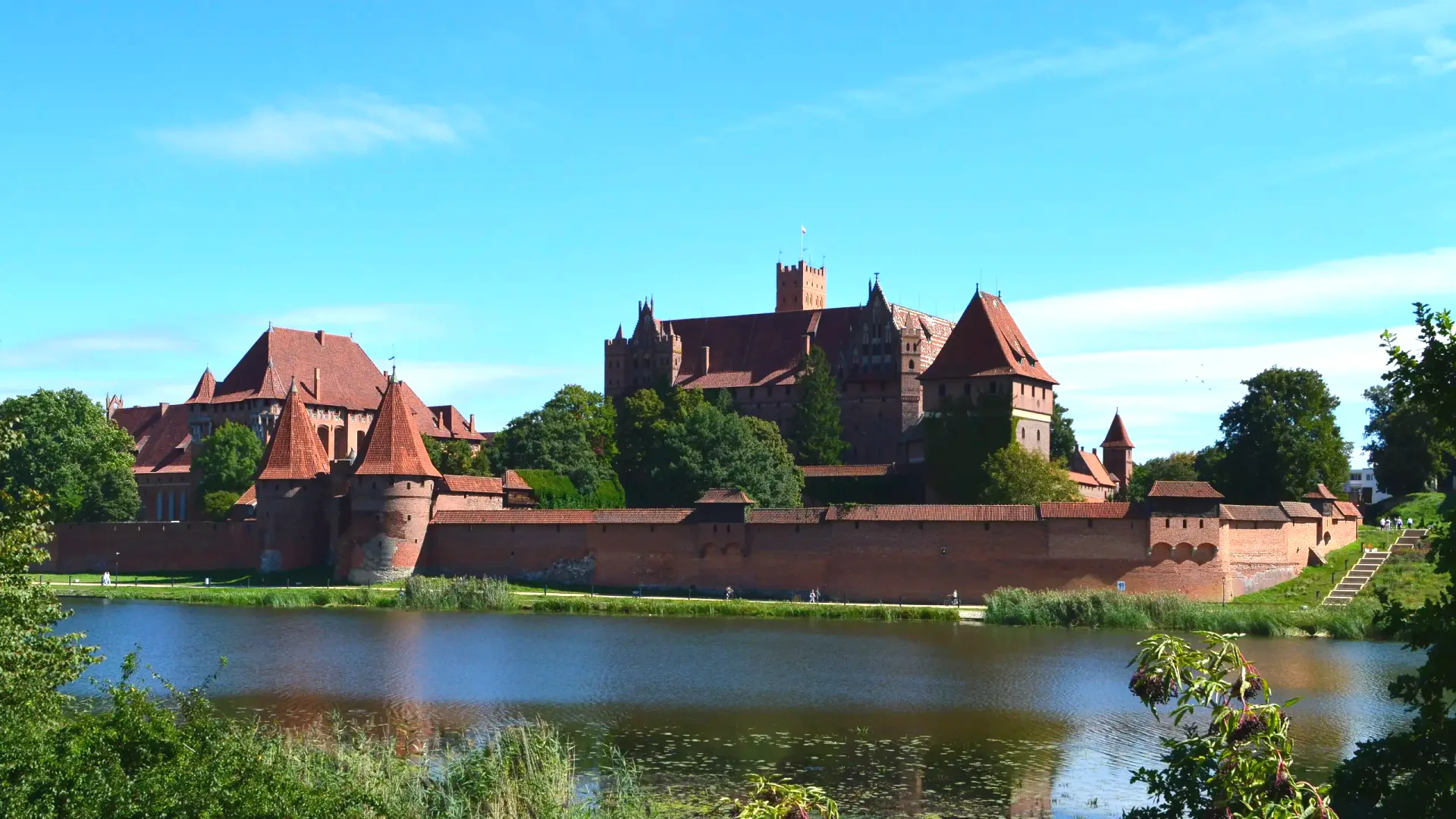
Malbork은 공간 구조를 명확히 이해하면 관람 경험이 완전히 달라지는 곳입니다. 이 성은 단일 건축물이 아니라 세 개의 동심원 요새 — High Castle, Middle Castle, Outer Bailey — 로 구성되어 있으며, 각 구역은 1274년부터 14세기 후반까지 튜턴 기사단의 필요에 따라 차례로 증축되었습니다. 각 구역은 고유한 해자, 문루, 방어 논리를 갖추고 있으며, 오디오 가이드 경로가 순차적으로 안내하는 각기 다른 공간들로 이루어져 있습니다. 본 가이드는 대부분의 방문객이 따르는 순서대로 경로를 안내하며, 천천히 감상할 가치가 있는 공간들을 명시하고, 관람 후에도 오래 기억에 남는 순간들을 짚어드립니다. 검증된 정보는 Malbork Castle의 공식 자료와 UNESCO 등재 문서를 기반으로 작성되었습니다.
Outer Bailey: 성벽 안의 작동하는 도시
입장은 Outer Bailey — Vorburg 또는 Zamek Niski — 를 통해 이루어집니다. 이곳은 공방, 마구간, 곡물 창고, 의무실, 그리고 평신도 하인들을 위한 예배당이 자리한 넓은 외곽 구역입니다. 요새 내부의 작업 도시였던 이곳은 기사 수도사들에게 무기, 식량, 맥주, 추가 건축을 위한 벽돌을 공급하는 엔진룸 역할을 했습니다. 외벽은 방어 탑들로 구획되어 있으며, 입장 시 통과하는 문루 복합체는 공격자가 최외곽 해자를 돌파한 후에도 방어가 가능하도록 설계되었습니다. 오디오 가이드는 일반적으로 표준 경로에서 Outer Bailey를 간략히 다루지만, 양조장의 규모, 주조 공장 유적, 그리고 무기 훈련에 사용된 넓은 안뜰을 살펴보시려면 이곳에서 시간을 충분히 가지실 것을 권해드립니다.
Outer Bailey에서 주목할 만한 두 곳이 있습니다. 첫 번째는 Karwan의 현존 구역 — 무기고 겸 마차 보관소 — 으로, 무장한 기사 수도사들과 평신도 병사들을 위한 장비 보급의 규모를 가늠할 수 있습니다. 두 번째는 Saint Lawrence 예배당으로, 평신도 하인과 방문객을 위한 예배당이며, High Castle의 Saint Mary's Church와 별도로 자리하고 있어 기사단 수도사들과 그 외 모든 이들 사이의 엄격한 의례적 구분을 반영합니다. Outer Bailey에서 경로는 도개교를 통해 두 번째 해자를 건너 Middle Castle로 이어지며 — 이 순간 건축적 분위기가 작업 도시에서 정치적 수도로 전환됩니다.
중성과 Grand Master's Palace
중성 — Zamek Średni — 은 주로 14세기에 건설되었습니다. 1309년 Malbork이 총장의 거처가 된 이후 고성이 더 이상 감당할 수 없었던 정치적 기능들을 수용하기 위해 지어졌습니다. 중성을 통과하는 동선은 서측 건물군에 인접해 있는 두 건축물이 압도합니다. 바로 기사 식당과 Grand Master's Palace입니다. 기사 식당은 두 대홀 중 더 큰 규모를 자랑합니다. 아치형 천장은 바닥으로부터 약 10미터 높이에 솟아 있으며, 긴 테이블에는 과거 기사 수도사들이 침묵 속에 앉아 공동 식사를 하는 동안 한 명이 성경을 낭독하곤 했습니다. 높은 창을 통해 들어오는 북쪽 빛은 대부분의 사진작가들이 셔터를 천천히 누르는 순간입니다.
바로 옆에 위치한 Grand Master's Palace는 중세 후기 북유럽에서 가장 건축적으로 대담한 세속 건물 중 하나입니다. 자체 예배당, 개인 거처, 그리고 유명한 여름 식당과 겨울 식당을 갖춘 독립적인 저택입니다. 여름 식당의 아치형 천장은 가느다란 화강암 기둥 하나에서 부채꼴로 펼쳐지며, 오랫동안 전해 내려오는 이야기(사실이 아닌 전설로 신중하게 기록된)에 따르면 1410년 포위 공격 당시 공격자가 이 기둥에 대포알을 쏘아 홀 전체를 총장의 머리 위로 무너뜨리려 했다고 합니다. 겨울 식당에는 바닥 난방 시스템이 있습니다. 북유럽에 현존하는 가장 초기의 하이포코스트(고대 난방 시스템) 중 하나로, 포메라니아의 혹독한 겨울에도 사용이 가능했습니다. 두 공간 모두 오디오 가이드가 안내하는 시간보다 몇 분 더 머물며 감상하실 것을 권해드립니다.
고성: 수도원의 핵심과 Saint Mary's Church
고성 — Hochburg, Zamek Wysoki — 은 1274년 건립된 최초의 수도원이자 이 건축군의 영적 중심입니다. 중앙에 우물이 있는 작은 아케이드 중정을 둘러싼 4개 동으로 구성된 수도원 건물로, 시토회 수도원을 모델로 하되 무장 종교 기사단의 기준에 맞춰 요새화되었습니다. 고성을 통과하는 오디오 가이드 동선은 기숙사, 회의실, 보물실, 그리고 거대한 개방형 화덕이 있는 대형 주방을 둘러봅니다. 특히 주방은 일상적인 수도원 생활의 규모를 실감하게 합니다. 이곳은 최대 수용 인원 시절 수백 명의 기사 수도사, 하급 기사, 그리고 방문하는 귀족들을 먹여 살렸던 건물입니다.
고성의 건축적 중심은 동쪽 측면에 위치한 Saint Mary's Church입니다. 기사 수도사들의 수도원 교회이자 새로운 총장의 대관식 예배당이며, 고위 장교들의 안장지였습니다. 1945년 거의 완전히 파괴된 이 교회는 오랜 복원 작업을 거쳐 2016년부터 단계적으로 재개관했습니다. 복원 과정에는 2014년부터 2016년 사이 모자이크로 재건된 외부의 기념비적인 성모자상도 포함됩니다. 현재 내부 동선은 재건된 본당, 그 아래의 Saint Anne 예배당, 그리고 복원된 황금문 — 기사단이 교회로 들어가는 의례적 입구 — 을 지나갑니다. 황금문 안에 서서 조각된 팀파넘을 올려다보시기 바랍니다. 북유럽 중세 벽돌 조각의 걸작 중 하나입니다.
호박 컬렉션
건축적 가치를 넘어서, Malbork은 유럽에서 가장 중요한 호박 컬렉션 중 하나를 소장하고 있습니다. 중세 발트해 상인들이 '북방의 황금'이라 불렀던 호박의 여정을 추적하는 상설 전시로, 5천만 년 된 소나무 숲의 선사시대 수지부터 바로크 성유물함, 궁정 캐비닛, 현대 디자이너 주얼리까지 아우릅니다. 컬렉션은 중성의 전용 전시실에서 지질학적, 고고학적, 예술적으로 구성되어 전시됩니다. 곤충이 박힌 원석 덩어리는 비스와 석호에서 건져 올린 신석기 시대 장신구, 호박길을 따라 남쪽 아드리아해까지 여행한 로마 시대 교역품, 그리고 호박이 은, 상아, 흑단과 조합되어 조각되고 층을 이룬 중세 후기 및 바로크 걸작들과 나란히 전시되어 있습니다.
이 컬렉션은 성과 무관하지 않습니다. 튜턴 기사단은 13세기부터 발트해 호박에 대한 엄격한 독점권을 행사했으며, 기사단이 통제하는 해변에서 발견된 호박은 Marienburg 보물실에 반납하도록 의무화되었습니다. 호박 부는 여러분이 걷고 계신 이 성의 건설 자금을 지원했습니다. 호박 전시는 1965년 개관했으며 전체 관람 코스의 주요 거점 중 하나로 남아 있습니다. 물질 문화, 교역사, 또는 정교한 공예에 관심 있는 방문객들은 호박 전시실을 그날의 예상치 못한 하이라이트로 꼽곤 합니다. 이 주제에 조금이라도 관심이 있으시다면 최소 45분을 할애하시기 바랍니다. 호박 전시실을 서둘러 지나친 것을 후회하시는 분들이 많습니다.
탑, 중정 그리고 Knights' Tower에서의 조망
성벽을 따라 여러 탑이 계절에 따라 방문객에게 개방되며, 접근 가능 여부는 해당 연도의 보존 작업 일정에 따라 달라집니다. 가장 인기 있는 탑은 서쪽 성벽에 위치한 Knights' Tower로, 성의 세 구역 전체를 조망할 수 있으며 Nogat 강 너머 Malbork 시내까지 펼쳐지는 파노라마 전망을 선사합니다. 좁은 나선형 통로의 가파른 중세 석조 계단을 올라가야 하므로, 고소공포증이 있거나 거동이 불편하신 분께서는 탑 관람을 생략하시고 안뜰 구역 동선에 집중하시는 것을 권장합니다. 방문 당일 개방된 탑 정보는 매표소에서 확인하시기 바랍니다.
안뜰 자체만으로도 여유로운 시간을 보내실 가치가 충분합니다. High Castle의 아케이드가 있는 작은 안뜰, Knights' Refectory와 Grand Master's Palace 사이의 넓은 Middle Castle 안뜰, 그리고 Outer Bailey의 광활한 개방 공간은 각기 다른 음향적·시각적 특성을 지니고 있습니다. 자녀를 동반한 폴란드 가족들은 종종 오디오 가이드에서 배정한 시간보다 안뜰에서 더 오래 머물며, 기사 복장 전통 의상을 배경으로 사진을 촬영하거나 단순히 그 웅장한 규모를 온전히 느끼곤 합니다. 관람을 마무리하는 유용한 방법은 정문을 나와 Nogat 다리를 건너 서쪽 강변에서 성을 돌아보는 것입니다. 가장 많이 촬영되는 외관 전망이자, 21헥타르 전체 규모가 시각적으로 온전히 이해되는 유일한 순간입니다.
자주 묻는 질문
Malbork 내부에서 가장 인상적인 공간은 어디입니까?
대부분의 방문객들은 Grand Master's Palace의 Summer Refectory—단일 기둥에서 솟아오르는 아치형 천장으로 유명합니다—또는 그 옆의 Knights' Refectory—거대한 볼트 홀의 압도적인 규모로 손꼽힙니다—를 꼽습니다. 두 공간 모두 Standard Route에 포함되어 있습니다.
내부를 모두 관람하는 데 얼마나 걸립니까?
Standard (Historical) Route는 3~4시간을 계획하시기 바랍니다. Outer Bailey 전시관, 심화 호박 컬렉션 및 추가 복원 공간이 포함된 Full Route는 5~6시간 소요됩니다.
모든 티켓 유형에 호박 컬렉션이 포함됩니까?
앰버 전시실은 일반적으로 Full Route 티켓에 포함되며 다른 티켓 유형에서는 이용 조건이 다릅니다 — 특히 앰버 컬렉션이 이번 방문의 우선순위라면 예약 전에 현재 코스 설명을 확인하세요.
모든 공간이 항상 개방됩니까?
주요 공간 대부분은 연중 개방되지만, Malbork은 활발한 보존 작업이 진행 중인 유적지로서 일부 전시실이나 탑이 복원 작업으로 인해 간헐적으로 폐쇄될 수 있습니다. 특히 Castle Monastery Route는 보존 작업으로 인해 무기한 폐쇄된 상태입니다. 방문 전 운영사의 최신 일정을 확인하시기 바랍니다.
탑에 오를 수 있나요?
일부 탑은 계절에 따라 개방됩니다. Knights' Tower가 가장 인기 있는 탑입니다. 접근 가능 여부는 보존 상태에 따라 달라지며, 당일 매표소에서 확인하실 수 있습니다. 탑 내부에는 가파르고 좁은 중세 계단이 있습니다.
Saint Mary's Church는 성 내부에 있습니까?
네, High Castle의 동쪽 건물을 이루고 있으며 오디오 가이드 투어의 주요 관람 지점 중 하나입니다. 이 교회는 전후 복원 작업을 거쳐 2016년부터 단계적으로 재개관하였으며, 외부의 성모자상은 2014년부터 2016년 사이에 모자이크로 재현되었습니다.
성 내부에서 사진 촬영하기 가장 좋은 장소는 어디입니까?
Grand Master's Palace의 Summer Refectory와 High Castle의 중정이 실내 촬영 명소로 꾸준히 사랑받고 있습니다. 가장 많이 촬영되는 외부 전경은 Nogat 강 서안에서 바라본 모습입니다. 늦은 오후 햇살 아래 강물에 비친 성의 모습이 압권입니다.
오디오 가이드가 꼭 필요한가요, 아니면 혼자 둘러봐도 괜찮습니까?
오디오 가이드는 정말 활용할 가치가 있습니다. 모든 티켓에 포함되어 있고 영어를 포함한 11개 언어로 제공되며, 벽돌 방들의 연속을 일관된 이야기로 바꿔주는 맥락을 제공합니다. 오디오 가이드를 건너뛴 방문객들은 얻을 수 있었던 것보다 적은 것을 얻고 떠났다고 일관되게 말합니다.
시간이 부족할 경우 생략해도 되는 구역이 있습니까?
3시간 미만의 일정이시라면, Outer Bailey의 작업장과 부속 전시관은 빠르게 둘러보셔도 됩니다. 반드시 관람하셔야 할 곳은 Grand Master's Palace의 Summer Refectory, Knights' Refectory, High Castle의 집회실, 그리고 Saint Mary's Church입니다.
Historical Castle Route의 관람 순서는 어떻게 됩니까?
관람 동선은 정문에서 시작하여 Outer Bailey를 지나 Middle Castle과 Grand Master's Palace로 이어지며, 중앙 안뜰을 둘러싼 High Castle을 거쳐 참사회실과 보물실을 통과한 후 Saint Mary's Church를 마지막으로 관람하고 정문 방향으로 나가게 됩니다. 오디오 가이드가 각 구역 전환마다 안내해 드립니다.